

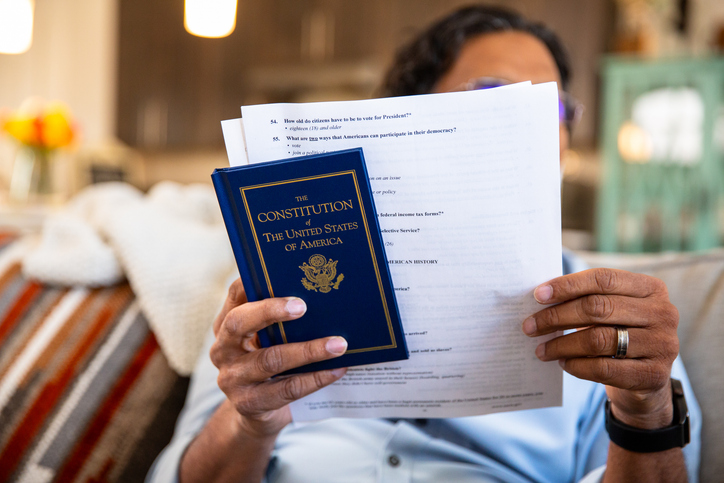
Applying for U.S. citizenship is a major step in building a permanent life in the United States. One of the key requirements in this process is demonstrating what U.S. immigration law refers to as “good moral character.” This concept can seem subjective, but it plays a critical role in determining whether an applicant is eligible for naturalization.
For guidance through the naturalization process, contact Federal Immigration Counselors, P.C. through our online contact form or call (602) 600-0504 to speak with a Phoenix immigration attorney.
What Does “Good Moral Character” Mean?
In the context of naturalization, “good moral character” (often abbreviated as GMC) refers to the applicant’s conduct and behavior during a specific period—usually the five years leading up to the naturalization application. The U.S. Citizenship and Immigration Services (USCIS) uses this standard to ensure that applicants uphold the values expected of new citizens.
The assessment of good moral character is not based on personal opinion but on established legal criteria set forth in the Immigration and Nationality Act (INA). USCIS examines an applicant’s criminal record, honesty during the immigration process, and other personal actions that may reflect moral integrity.
The Legal Basis for Good Moral Character
The Immigration and Nationality Act requires that naturalization applicants show continuous residence and good moral character for at least five years before applying (or three years if married to a U.S. citizen). This time frame is referred to as the “statutory period.”
However, USCIS can also consider behavior that occurred before the statutory period if it reveals patterns inconsistent with good moral character. For example, repeated offenses or ongoing conduct may raise concerns even if the acts happened more than five years ago.
Factors That May Negatively Affect Good Moral Character
Certain actions or offenses can automatically disqualify an applicant from being found to have good moral character. Others may not be automatic bars, but can still create significant challenges.
Below are examples of issues that may impact the determination of good moral character:
- Convictions for serious crimes such as murder or aggravated felonies
- False statements or misrepresentations on immigration forms
- Failing to pay taxes or child support obligations
- Substance abuse or repeated DUI offenses
- Engaging in fraudulent activities or crimes involving moral turpitude
- Participating in persecution or human rights violations
While this list is not exhaustive, it highlights the types of conduct USCIS takes seriously when evaluating an application.
Even if a conviction or mistake occurred years ago, applicants should be transparent about their history. USCIS often values honesty and full disclosure more than attempts to conceal information.
Positive Indicators of Good Moral Character
Just as certain behaviors can disqualify an applicant, others can demonstrate integrity and community contribution. Actions that reflect responsibility and respect for the law can help support a positive finding of good moral character.
Examples of positive indicators include:
- Consistent employment and payment of taxes
- Community service or volunteer involvement
- Compliance with all immigration and court orders
- Strong family and community relationships
- Evidence of rehabilitation after past mistakes
Providing documentation or personal references from employers, religious leaders, or community organizations can also strengthen a case.
The Role of Honesty and Full Disclosure
During the naturalization process, applicants must answer all questions on the N-400 application truthfully. Misrepresentation or omission of information can lead to a finding of bad moral character—even if the underlying issue was minor.
For example, failing to report an arrest that was later dismissed may still be viewed as dishonest. Being transparent from the beginning allows applicants to address potential concerns proactively, rather than risking denial or further legal issues.
When Past Conduct May Be Forgiven
Not every past mistake permanently disqualifies an individual from citizenship. USCIS often considers the nature of the offense, how long ago it occurred, and whether the applicant has shown rehabilitation. Demonstrating a consistent pattern of good behavior since the incident can be key to overcoming prior issues.
In some cases, it may be advisable to delay filing for naturalization to ensure sufficient time has passed since a disqualifying event. Consulting a Phoenix immigration attorney can help determine the right timing and strategy for your application.
Preparing for the USCIS Interview
During the naturalization interview, an officer may ask about your background, past conduct, and any issues disclosed in your application. This is the opportunity to explain circumstances, show evidence of rehabilitation, or clarify misunderstandings.
Applicants should bring relevant documents such as:
- Court records or police reports for any arrests or citations
- Tax payment records
- Proof of community involvement or volunteer work
- Letters of recommendation from credible individuals
Being prepared and cooperative during the interview can help establish credibility and strengthen the application.
Why Legal Guidance Matters
The determination of good moral character can be complex, especially if an applicant has a prior record or immigration concerns. A Phoenix immigration attorney can review your background, identify potential challenges, and help prepare a clear, truthful, and well-documented application.
An attorney can also represent you in communications with USCIS, ensuring your responses align with both legal requirements and your best interests. For many applicants, legal support provides peace of mind during a process that can otherwise feel uncertain.
Speak With a Phoenix Immigration Attorney About Naturalization and Good Moral Character
If questions about good moral character are delaying your path to U.S. citizenship, Federal Immigration Counselors, P.C. can help you understand your options. Our team provides legal guidance to individuals seeking naturalization and works to ensure applications meet all USCIS requirements.
For personalized assistance, contact us through our online contact form or call (602) 600-0504.